
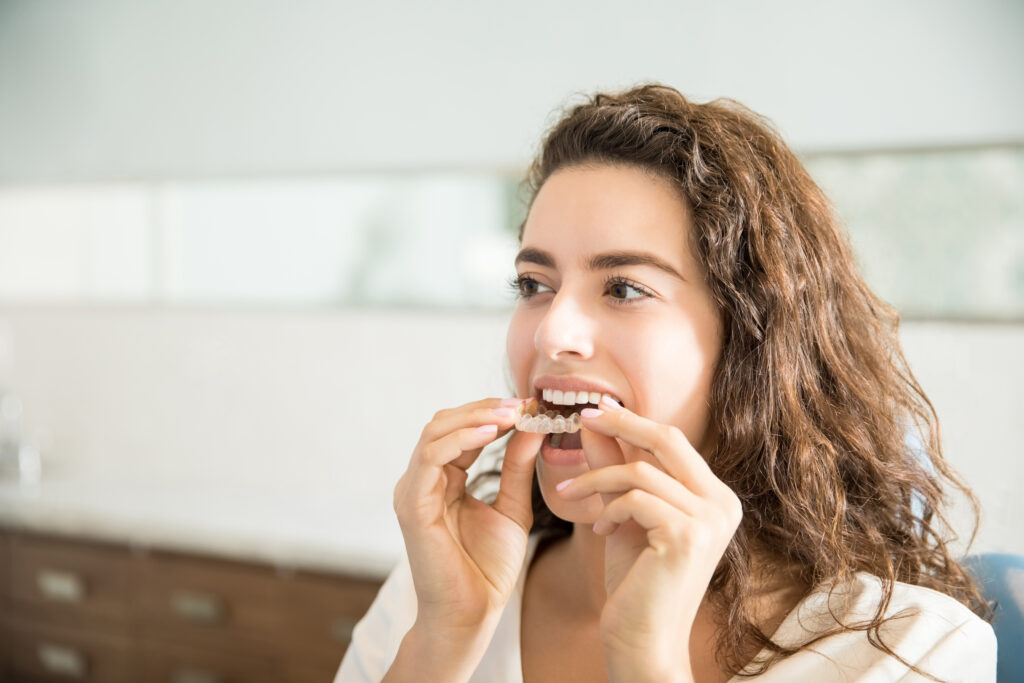
Thinking about straightening your smile with Invisalign but concerned about those cavities your dentist mentioned? You’re not alone in wondering whether existing dental issues might prevent you from starting cosmetic dental treatment. The good news is that cavities don’t automatically disqualify you from Invisalign, but they do need attention first.
At Boynton Beach Dental Services, Dr. Katiuska McIntosh and Dr. Eliseo Fiffe work together to ensure your mouth is healthy before beginning any treatment. This comprehensive approach means we address any existing decay before fitting you with aligners, setting you up for the best possible results.
Why Cavities Must Be Treated Before Invisalign
Your dentist will need to treat any cavities before you start Invisalign treatment. Untreated decay can worsen during orthodontic treatment for several important reasons. When bacteria present in plaque create acids that attack your enamel, cavities can form over time. Clear aligners fit snugly against your teeth for 20 to 22 hours daily, which can trap food particles and bacteria against tooth surfaces if decay is already present.
Starting Invisalign with untreated cavities means you’ll likely need to pause treatment midway for fillings. This interruption extends your overall timeline and can affect how well your aligners fit. The bacteria causing your cavities won’t disappear just because you’re wearing aligners. In fact, the warm, moist environment under the aligners can accelerate decay if it’s already started.
Treatment becomes more complicated when you need to fill cavities after aligners are made. Dental fillings change the shape of your tooth slightly, which means your existing aligners may no longer fit properly. This can require new impressions and replacement aligners, adding both time and expense to your treatment.
How Cavity Treatment Affects Your Invisalign Timeline
Most cavities can be filled in a single appointment, which means only a brief delay before starting your aligner treatment. Dr. McIntosh will examine your teeth thoroughly during your consultation and create a treatment plan that addresses any decay first. Small cavities typically require minimal time to treat, while larger areas of decay might need more extensive restoration.
The type of filling you receive matters for Invisalign planning. Composite resin fillings bond directly to your tooth and cure immediately, allowing us to take impressions for your aligners soon after. These tooth-colored fillings blend seamlessly with your natural teeth, maintaining the aesthetic appeal that makes Invisalign so popular among adults.
Maintaining Oral Health During Invisalign Treatment
Once your cavities are treated and you begin Invisalign, preventing new decay becomes a priority. The American Association of Orthodontics notes that patients wear clear aligners for 20 to 22 hours per day, removing them only for meals and oral hygiene. This schedule makes your cleaning routine more important than ever.
You’ll need to brush your teeth after every meal before reinserting your aligners. Food particles trapped under aligners create an ideal environment for bacteria to thrive. Keep a travel toothbrush with you for meals away from home. Many of our patients in Boynton Beach’s golf course communities find it helpful to keep a dental kit in their golf bag or car.
Water becomes your best friend during Invisalign treatment. Drinking water throughout the day helps rinse away bacteria and keeps your mouth hydrated. Avoid drinking anything other than water while wearing your aligners, as beverages can stain both your aligners and your teeth.
Special Considerations for Adults Over 50
Adults over age 50 face a higher susceptibility to tooth root decay, making cavity prevention even more important during orthodontic treatment. The combination of age-related factors and aligner wear requires extra attention to oral hygiene. Dr. Fiffe’s three decades of experience treating Boynton Beach’s active retiree community means he understands these unique challenges.
Regular dental cleanings become especially important during Invisalign treatment. We typically recommend more frequent cleanings for our aligner patients to ensure any developing issues are caught early. Our hygienists can also provide additional fluoride treatments to strengthen your enamel against potential decay.
Getting Started With Invisalign at Boynton Beach Dental Services
Dr. McIntosh’s status as an Invisalign Gold Plus Provider reflects her extensive training and successful treatment of numerous complex cases. During your consultation, she’ll use our iTero Scanner to create detailed 3D images of your teeth. This technology allows you to see a preview of your expected results before treatment even begins.
Our bilingual team ensures clear communication throughout your treatment, whether you prefer English or Spanish. We understand that our diverse Boynton Beach community includes patients from various backgrounds, and we’re committed to making everyone feel comfortable and informed. Contact us today to schedule your Invisalign consultation and take the first step toward the confident smile you deserve.