
For a limited time, enjoy $1000 OFF smile designs (Includes: Exam, X-Rays)
Strengthen your jaw and prepare for a stable implant with Bone Grafting for Implants in Boynton Beach, FL—advanced treatment that rebuilds lost bone, supports long-lasting restorations, and sets the foundation for a healthy, confident smile.
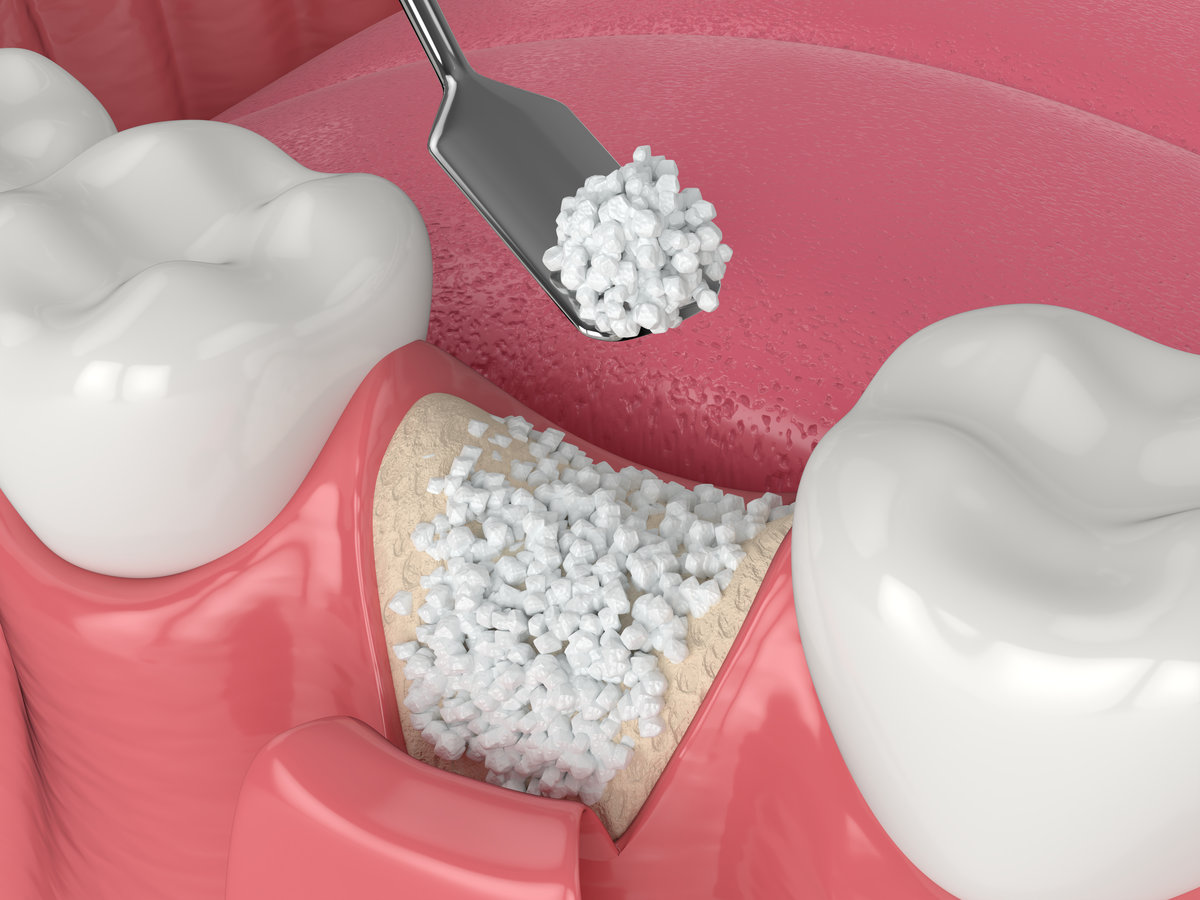
Bone grafting rebuilds jawbone that has deteriorated due to tooth loss or gum disease, creating a stable foundation for dental implants. At Boynton Beach Dental Services, we perform bone grafting procedures to ensure successful implant placement for patients who lack sufficient bone density. Our dental implants approach combines careful planning with advanced techniques to achieve optimal results.
When a tooth is lost, the surrounding jawbone begins to deteriorate because it no longer receives stimulation from the tooth root. Dr. Eliseo Fiffe’s three decades of implant experience includes extensive work with bone grafting, ensuring you receive dental restorations from someone who understands both procedures thoroughly.
Bone grafting is a surgical procedure that adds bone material to your jaw to increase its volume and density. The procedure creates a solid foundation where dental implants can integrate successfully. Without adequate bone, implants cannot achieve the stability needed for long-term success.
The grafting material can come from several sources:
Each type of graft material has advantages. Your own bone integrates most predictably but requires a second surgical site. Donor bone and synthetic materials eliminate the need for harvesting bone from another area of your body, making the procedure less invasive.
The grafted bone provides a scaffold for your natural bone to grow into. Over several months, your body gradually replaces the graft material with your own bone tissue through a process called osseointegration. This creates a strong foundation for implant placement.
Several situations require bone grafting before implant placement.
Long-term tooth loss causes progressive bone deterioration. When teeth have been missing for years, the jawbone shrinks considerably. This resorption happens because the bone no longer receives pressure and stimulation from chewing forces.
Advanced periodontal disease destroys bone around teeth. Even after treating the gum disease, bone loss may be too severe for immediate implant placement. Grafting rebuilds this lost bone structure.
Tooth infections sometimes damage the surrounding bone. When infection spreads beyond the tooth into the jaw, it can destroy bone tissue. Grafting may be necessary after removing infected teeth and treating the surrounding area.
Sinus position can limit implant placement in the upper back jaw. The maxillary sinuses sit just above the upper back teeth. When these teeth are lost, the sinuses may expand, leaving insufficient bone height for standard implants. A sinus lift procedure adds bone in this area.
Facial trauma or injury may fracture the jaw and damage bone structure. Reconstruction often requires bone grafting to restore proper jaw contours and function.
We offer several bone grafting techniques depending on your specific needs and the extent of bone loss.
Socket preservation happens immediately after tooth extraction. We place bone graft material into the empty socket to maintain bone volume and prevent shrinkage. This proactive approach makes future implant placement much simpler.
The grafting material fills the space where the tooth root once was. A protective membrane often covers the graft to keep it in place during healing. The gum tissue is then sutured closed over the graft. Socket preservation significantly reduces bone loss compared to extraction alone. It maintains the ridge width and height needed for implant placement several months later.
Ridge augmentation rebuilds bone along the jaw ridge when significant bone loss has already occurred. This procedure increases the height and width of the bone, creating adequate space for implant placement.
We create a small opening in the gum tissue and place bone grafting material along the ridge. The material is shaped to restore proper jaw contours. A barrier membrane protects the graft and guides new bone formation. The gum is sutured closed, and healing takes several months. Ridge augmentation works well for patients who have been missing teeth for extended periods and have experienced substantial bone resorption.
A sinus lift adds bone in the upper back jaw beneath the sinus cavity. This procedure is necessary when natural bone height is insufficient due to sinus expansion or bone resorption after losing upper molars.
We create a small window in the bone and gently lift the sinus membrane upward. Bone graft material fills the space beneath the lifted membrane, creating additional height for implant placement. The gum is closed with sutures, and the area heals over several months. Sinus lifts enable implant placement in areas that would otherwise lack adequate bone support. The procedure has become routine with predictable success rates.
Major bone grafting addresses extensive bone loss from trauma, congenital defects, or severe periodontal disease. These larger grafts may use bone harvested from your hip or other body sites, particularly when substantial reconstruction is needed.
Major grafting procedures are more complex and require longer healing times, typically four to six months before implant placement. However, they make implant treatment possible for patients with significant bone deficiency.
Understanding what happens during your bone grafting procedure helps reduce anxiety and prepares you for a successful outcome.
Your grafting journey begins with comprehensive imaging. We use digital X-rays and CT scans to assess your bone volume, density, and quality. These images show exactly how much bone exists and where grafting is needed.
Dr. Fiffe reviews your medical history to identify any factors affecting bone healing. Conditions like diabetes, smoking, or osteoporosis can impact healing and may require special consideration in treatment planning. We discuss which type of graft material works best for your situation. You’ll understand the procedure timeline and what to expect during recovery.
Most bone grafting procedures are performed under local anesthesia in our office. For more extensive grafting or anxious patients, sedation options are available.
We create a small incision in your gum to access the bone. The graft material is carefully placed in the deficient area and shaped to achieve proper contours. A barrier membrane often covers the graft to protect it and guide bone regeneration. The gum tissue is repositioned and sutured closed. The procedure typically takes one to two hours, depending on the extent of grafting needed. You can expect some swelling and discomfort afterward, which is normal and manageable with prescribed medications.
Bone grafts require several months to heal and integrate with your existing bone. During this time, your body gradually replaces the graft material with your own bone tissue.
Initial healing takes two to three weeks, during which the surgical site closes and early bone formation begins. Complete integration and maturation takes three to six months, depending on the graft size and location. We monitor your healing with follow-up appointments and imaging. Once the graft has fully integrated, we proceed with implant placement.
Coverage for bone grafting varies depending on your insurance plan. When grafting is necessary for successful implant placement, many insurers provide partial coverage. We accept most PPO dental insurance plans and verify your benefits before beginning treatment.
For out-of-pocket costs, we offer CareCredit financing with flexible payment plans. This allows you to proceed with needed treatment without delaying care due to cost concerns.
We provide detailed cost estimates during your consultation so you can make informed decisions about your treatment. We believe financial considerations should never prevent you from receiving the dental care you need.
If you’ve been told you need bone grafting before implant placement, or if you’re interested in dental implants but worry about bone loss, a consultation can answer your questions. Dr. Eliseo Fiffe brings over 30 years of experience in implant dentistry and bone grafting procedures, with a background in oral surgery that provides the advanced surgical skills needed for complex cases. Dr. Katiuska McIntosh works collaboratively with Dr. Fiffe on comprehensive implant cases, ensuring thorough treatment planning from multiple perspectives.
Our practice serves the Boynton Beach community with a patient-centered approach, and many of our patients are retirees who appreciate our thorough explanations and gentle technique. Spanish-speaking patients can receive care in their preferred language, ensuring clear communication throughout the entire treatment process. Contact us today to schedule your consultation. We’ll evaluate your bone structure, explain your options in detail, and create a treatment plan that works for your needs and timeline.
Book Your Free Consultation