
For a limited time, enjoy $1000 OFF smile designs (Includes: Exam, X-Rays)
Refresh your look with Botox & PRP Therapy in Boynton Beach, FL—non-surgical treatments designed to smooth fine lines, support natural rejuvenation, and enhance overall facial wellness with safe, comfortable care.
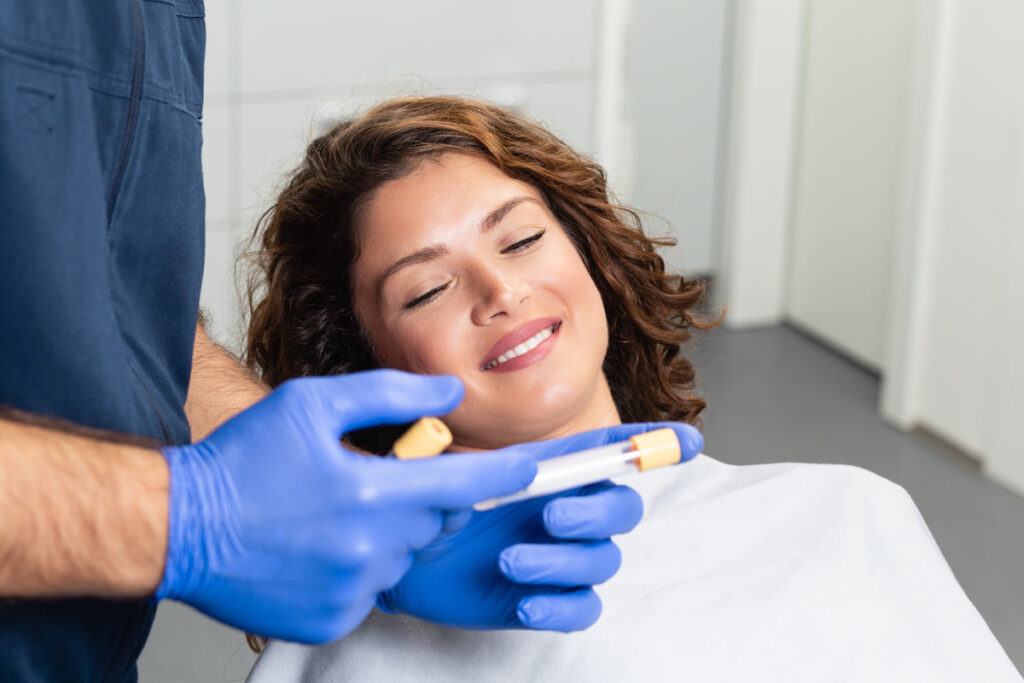
Your dental office can do more than just care for your teeth. At Boynton Beach Dental Services, we offer therapeutic Botox and PRP (Platelet-Rich Plasma) treatments that address dental-related concerns like TMJ disorders, teeth grinding, gummy smiles, and healing after oral surgery. Dr. Eliseo Fiffe and Dr. Katiuska McIntosh integrate these advanced therapies into comprehensive treatment plans that improve both function and appearance.
These minimally invasive procedures complement traditional dental care by targeting the muscles, tissues, and healing processes that affect your oral health. Whether you’re dealing with chronic jaw pain or want to enhance your smile aesthetics, Botox and PRP therapy offer effective solutions administered by experienced dental professionals who understand facial anatomy.
Botox is a purified protein that temporarily relaxes muscles when injected in small, controlled amounts. While most people associate Botox with cosmetic applications, dentists have used it therapeutically for years to treat conditions involving overactive facial and jaw muscles. The treatment works by blocking nerve signals that cause muscles to contract, providing relief from tension and pain.
In a dental setting, Botox addresses issues directly related to your oral health and function. Dr. Fiffe and Dr. McIntosh use precise injection techniques to target specific muscles causing problems like jaw clenching, teeth grinding, or TMJ dysfunction. The effects typically last three to four months, and treatments can be repeated as needed to maintain results.
PRP therapy uses your body’s own healing mechanisms to accelerate tissue repair and regeneration. We draw a small sample of your blood, process it in a centrifuge to concentrate the platelets, and inject this platelet-rich plasma into treatment areas. The concentrated growth factors in PRP stimulate healing, reduce inflammation, and promote tissue regeneration.
This treatment is particularly valuable in dentistry for procedures like dental implant placement, bone grafting, tooth extractions, and gum tissue repair. PRP enhances your body’s natural healing response, potentially reducing recovery time and improving outcomes. Because we use your own blood, there’s no risk of rejection or allergic reaction.
Dental Botox effectively addresses several conditions that impact your oral health and comfort. Understanding these applications helps you recognize when this therapy might benefit you.
Temporomandibular joint disorders cause pain in your jaw joint and the muscles controlling jaw movement. Symptoms include jaw pain, difficulty chewing, clicking or popping sounds, and headaches. Botox injections into the jaw muscles reduce tension and provide significant pain relief for many TMJ patients.
The treatment doesn’t cure TMJ but manages symptoms effectively. By relaxing overactive jaw muscles, Botox reduces the strain on your temporomandibular joint, allowing inflammation to decrease. Many patients experience relief within a few days of treatment, with full effects developing over two weeks.
Bruxism involves grinding or clenching your teeth, often unconsciously during sleep. This habit wears down tooth enamel, causes jaw pain, and can lead to cracked teeth or damaged dental work. A 2021 survey showed that more than 70% of dentists noticed signs of teeth grinding in their patients, with rates increasing nearly 10% over the previous year.
Botox reduces the force of muscle contractions involved in grinding and clenching. While it doesn’t stop the behavior completely, it significantly decreases the pressure exerted on your teeth. This protection prevents further damage while we address underlying causes like stress or sleep disorders.
A gummy smile occurs when excessive gum tissue shows above your teeth when you smile. This happens when the muscles that elevate your upper lip contract too strongly. Botox can relax these muscles slightly, reducing how much your lip lifts and creating a more balanced smile appearance.
The treatment involves small injections around the upper lip area. Results appear within days and create a subtle change that looks natural. This non-surgical option appeals to patients who want to improve their smile aesthetics without committing to more invasive procedures.
Some patients experience persistent facial pain related to muscle tension, nerve issues, or chronic headaches. When the pain originates from overactive facial muscles, Botox injections can provide meaningful relief. The treatment reduces muscle spasms and eases tension that contributes to chronic discomfort.
Dr. Fiffe and Dr. McIntosh carefully evaluate the source of facial pain before recommending Botox. The therapy works best when muscle hyperactivity plays a clear role in your symptoms. Combined with other treatments, Botox can significantly improve your quality of life.
PRP therapy enhances healing and outcomes for various dental procedures. The concentrated growth factors accelerate tissue repair and improve the success rates of treatments.
When placing dental implants, successful osseointegration is critical. PRP applied during implant surgery promotes bone formation around the implant, potentially speeding up integration and improving stability. The growth factors in PRP support the body’s natural healing process, creating optimal conditions for implant success.
Dr. Fiffe has over 30 years of experience with dental implants and incorporates PRP when appropriate to enhance outcomes. This addition to standard implant protocol may reduce healing time and increase the predictability of results, particularly in cases involving compromised bone quality.
Bone grafting builds up insufficient jawbone to support dental implants or improve facial structure. PRP mixed with bone graft material enhances new bone formation and speeds healing. The concentrated platelets release growth factors that stimulate cells responsible for creating new bone tissue.
Patients receiving PRP with their bone grafts often experience less post-operative discomfort and faster recovery. The improved healing environment created by PRP may also increase the amount and quality of new bone formed during the grafting process.
After tooth extraction, applying PRP to the empty socket promotes faster healing and preserves the bone that would otherwise deteriorate. This socket preservation is particularly important if you plan to place an implant later. PRP reduces bleeding, minimizes post-operative pain, and decreases the risk of complications like dry socket.
The treatment creates a natural scaffold for healing tissue and accelerates the formation of blood clots necessary for proper recovery. Many patients notice less swelling and discomfort when PRP is used following extractions.
PRP supports healing after gum surgery and may improve outcomes for patients with periodontal disease. The growth factors stimulate gum tissue regeneration and reduce inflammation. When combined with scaling and root planing or surgical periodontal treatments, PRP enhances the body’s ability to repair damaged gum tissue.
This application shows particular promise for patients with compromised healing ability due to diabetes or other systemic conditions. The concentrated healing factors in PRP provide extra support for tissue repair.
These advanced treatments offer advantages over traditional approaches for certain dental conditions. Understanding the benefits helps you make informed decisions about your care.
Incorporating Botox and PRP therapy into your dental treatment plan provides several important advantages:
Both treatments involve minimal discomfort and can be completed during a regular dental appointment. The convenience of receiving these therapies from your dentist eliminates the need to visit multiple specialists for comprehensive care.
Understanding the treatment process helps you feel comfortable and prepared. Both Botox and PRP procedures are straightforward and typically well-tolerated.
Your Botox appointment begins with a consultation to discuss your symptoms and treatment goals. Dr. Fiffe or Dr. McIntosh identifies the specific muscles causing your problems and marks injection sites. The actual injections take only a few minutes and involve minimal discomfort, most patients describe it as a slight pinch.
You can return to normal activities immediately after treatment. Some patients experience minor bruising or swelling at injection sites, but these side effects resolve quickly. You’ll notice gradual improvement over the following days, with full effects developing within two weeks. Results typically last three to four months.
PRP therapy starts with drawing a small blood sample, similar to routine blood work. We place your blood in a centrifuge that spins it to separate and concentrate the platelets. This process takes about 15 minutes while you wait comfortably in the treatment room.
Once the PRP is prepared, we apply or inject it during your dental procedure. The addition of PRP to your treatment adds minimal time to your appointment. Post-treatment care follows the standard protocol for your specific procedure, with the added benefit of PRP supporting your healing.
Both Botox and PRP are considered safe when administered by trained professionals. Dr. Fiffe and Dr. McIntosh have extensive training in facial anatomy and proper injection techniques, ensuring accurate placement and minimal risk.
Botox side effects are typically minor and temporary. You might experience slight bruising, swelling, or tenderness at injection sites. Very rarely, patients report temporary muscle weakness in areas adjacent to treatment sites. These effects resolve as the Botox wears off.
PRP uses your own blood, eliminating concerns about allergic reactions or disease transmission. Potential side effects are limited to minor discomfort, bruising, or swelling at the injection site. Serious complications are extremely rare with PRP therapy.
Botox and PRP therapy represent the evolution of comprehensive dental care. These treatments address problems that traditional dentistry alone can’t always solve, offering relief from chronic conditions and enhancing surgical outcomes. Our husband-and-wife team stays current with the latest techniques to provide you with the most effective treatment options available.
Ready to explore how Botox or PRP therapy can improve your oral health? Contact us today to schedule a consultation. Dr. Fiffe and Dr. McIntosh will evaluate your needs and determine whether these advanced therapies are right for you.
Book Your Free Consultation