Stay on top of your oral health with professional teeth cleanings and exams in Boynton Beach, FL. Routine visits help prevent cavities, detect issues early, and keep your smile healthy and bright.

For a limited time, enjoy $1000 OFF smile designs (Includes: Exam, X-Rays)
Stay on top of your oral health with professional teeth cleanings and exams in Boynton Beach, FL. Routine visits help prevent cavities, detect issues early, and keep your smile healthy and bright.
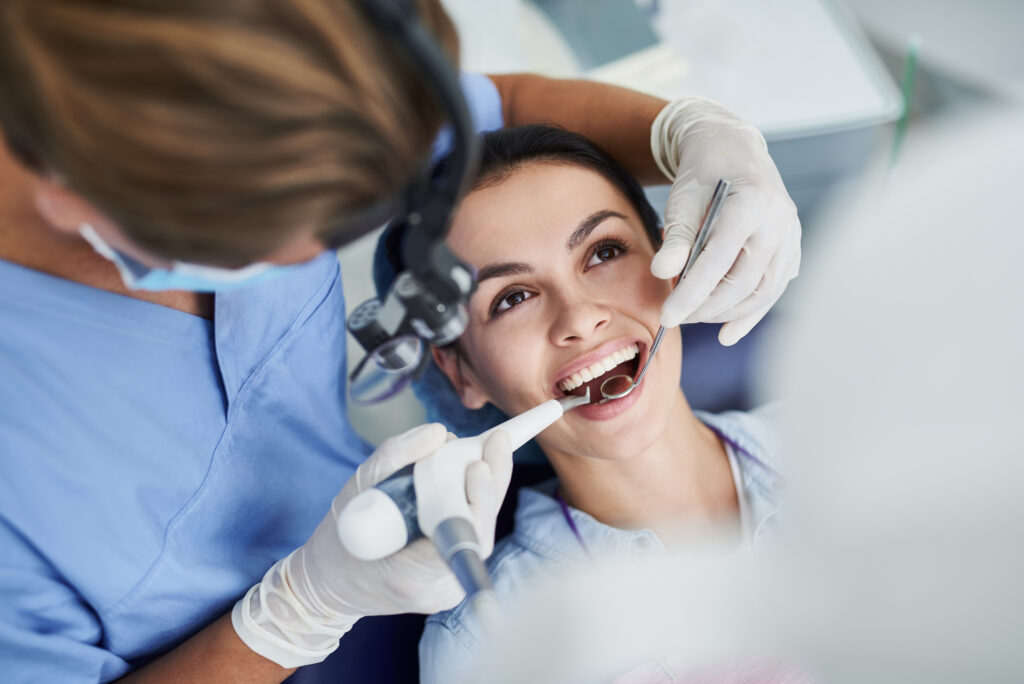
Regular dental cleanings and exams form the foundation of good oral health. Even with excellent brushing and flossing habits, plaque hardens into tartar in areas you can’t reach at home, and small problems can develop without obvious symptoms. At Boynton Beach Dental Services, Dr. Eliseo Fiffe and Dr. Katiuska McIntosh provide thorough cleanings and comprehensive exams that keep your teeth and gums healthy while catching issues before they become serious.
These routine visits prevent painful dental emergencies, save you money on extensive treatments, and help you maintain your natural teeth for life. Most patients benefit from cleanings and exams every six months, though some need more frequent visits based on their oral health status. Our preventive approach prioritizes early detection and consistent maintenance for lasting results.
Professional dental cleanings remove plaque and tartar buildup that regular brushing and flossing can’t eliminate. Our skilled hygienists use specialized instruments to clean above and below the gum line, reaching areas where bacteria accumulate and cause decay or gum disease. The process typically takes 30 to 60 minutes, depending on the amount of buildup present.
The American Dental Association recommends brushing twice a day and flossing once daily, but even diligent home care leaves some plaque behind. This bacterial film hardens into tartar within 24 to 72 hours, creating a rough surface that attracts more plaque and irritates gum tissue. Professional cleaning removes this tartar and polishes your teeth to a smooth finish.
Understanding what happens during your cleaning helps you feel more comfortable and engaged in your oral health care. Each step serves a specific purpose in protecting your teeth and gums.
Before cleaning begins, our hygienist examines your mouth for signs of problems like cavities, gum disease, or oral cancer. This preliminary check identifies areas requiring special attention during cleaning and flags concerns for the dentist to evaluate. We use a small mirror to view all tooth surfaces and check the health of your gum tissue.
If we notice significant inflammation, deep pockets between teeth and gums, or other issues, we may recommend more frequent cleanings or specialized periodontal treatment. Early detection of gum disease prevents it from progressing to more serious stages that threaten tooth loss.
The hygienist uses a scaler, a metal instrument with a curved tip, to gently scrape away tartar deposits from your teeth. You’ll hear scraping sounds and may feel slight pressure, but the process shouldn’t cause pain. Areas with more buildup require more attention, which is why regular cleanings make future appointments quicker and easier.
We pay particular attention to the gum line and between teeth, where tartar accumulates most readily. Some patients have tartar extending below the gum line, requiring deeper cleaning. The amount of scaling needed depends on how long it’s been since your last cleaning and how effectively you clean at home.
Even if you floss daily, professional flossing during your cleaning reaches areas you might miss and removes any remaining plaque or tartar particles loosened during scaling. Our hygienist flosses between every tooth, checking for bleeding that indicates gum inflammation. This step also identifies tight contacts between teeth that make home flossing difficult.
Professional flossing demonstrates proper technique if you’re unsure how to floss effectively. We can recommend different types of floss or alternative tools like interdental brushes if traditional floss doesn’t work well for you.
After removing all plaque and tartar, we polish your teeth with a gritty toothpaste and a rotating rubber cup or brush. This polishing removes surface stains from coffee, tea, wine, or tobacco and creates a smooth tooth surface that resists plaque accumulation. Your teeth will look brighter and feel noticeably cleaner.
The polishing paste comes in various flavors, making this step more pleasant. While it feels similar to brushing, the professional-grade paste and equipment achieve a level of cleanliness you can’t replicate at home.
Many patients receive a fluoride treatment at the end of their cleaning. We apply concentrated fluoride gel or foam in trays that sit on your teeth for one minute. The fluoride strengthens tooth enamel and provides extra protection against cavities between visits.
Adults over 50 are more susceptible to tooth root decay, making fluoride treatments particularly valuable for our mature patients. The treatment is quick, painless, and significantly reduces cavity risk for patients of all ages.
Your dental exam goes beyond just looking at your teeth. Dr. Fiffe or Dr. McIntosh performs a thorough evaluation of your entire oral health, checking for problems you might not notice yourself. This comprehensive approach catches issues early when treatment is simplest and most effective.
Regular exams are a key component of preventive dentistry, helping you maintain optimal oral health through early detection and intervention. Most patients should schedule exams every six months, though your individual needs may vary.
The dentist examines each tooth individually, looking for signs of decay, cracks, wear, or damage. We check the integrity of existing fillings, crowns, and other dental work to ensure they’re still functioning properly. Small cavities or failing restorations get addressed before they cause pain or require more extensive treatment.
We also evaluate your bite alignment and look for signs of teeth grinding or clenching. These habits cause excessive wear and can lead to cracked teeth, jaw pain, and other problems. Identifying them early allows us to recommend protective measures like night guards.
Healthy gums are essential for keeping your teeth. We measure the depth of pockets between your teeth and gums using a small probe. Measurements of 1 to 3 millimeters indicate healthy gums, while deeper pockets suggest gum disease. We also check for bleeding, inflammation, and gum recession.
Gum disease starts as gingivitis, a reversible inflammation caused by plaque buildup. Without treatment, it progresses to periodontitis, which damages the bone supporting your teeth and can lead to tooth loss. Regular exams catch gum disease in early stages when it’s easiest to treat.
Every exam includes a screening for oral cancer. Dr. Fiffe or Dr. McIntosh examines your lips, tongue, cheeks, throat, floor of your mouth, and roof of your mouth for any abnormal tissue, lesions, or discoloration. Early detection of oral cancer dramatically improves treatment outcomes.
We palpate your neck and jaw to check for swollen lymph nodes or unusual lumps. If we find anything concerning, we’ll recommend a biopsy or referral to a specialist. Most oral lesions are benign, but any persistent sore or unusual tissue change deserves evaluation.
X-rays reveal problems invisible during visual examination. We can see decay between teeth, infections at tooth roots, bone loss from gum disease, and developing wisdom teeth. X-rays also help us monitor existing conditions and evaluate the success of previous treatments.
Our digital X-ray system uses significantly less radiation than traditional film X-rays and produces instant images we can review with you during your appointment. We take X-rays at appropriate intervals based on your age, risk factors, and oral health history—typically once a year for most patients.
We assess your temporomandibular joint (TMJ) function by feeling the joint as you open and close your mouth. Clicking, popping, or difficulty opening wide can indicate TMJ disorders requiring treatment. We also check how your upper and lower teeth come together when you bite, looking for alignment issues that cause uneven wear or jaw strain.
Bite problems contribute to headaches, jaw pain, and accelerated tooth wear. Identifying these issues allows us to recommend solutions like orthodontics, bite adjustment, or Botox therapy for muscle-related TMJ problems.
Consistent professional care prevents most dental problems and keeps minor issues from becoming major complications. The benefits extend beyond your mouth to your overall health and well-being.
Maintaining regular dental cleanings and exams provides important advantages for your long-term health:
Regular visits also build a relationship with our team and create a complete record of your oral health over time. This continuity helps us notice subtle changes and provide personalized recommendations based on your unique needs and history.
Most patients benefit from professional cleanings and exams every six months. This frequency allows us to remove tartar buildup before it causes damage and catch problems while they’re still minor. Some patients need more frequent visits, typically every three to four months, based on their individual risk factors.
You may need more frequent cleanings if you have a history of gum disease, produce excessive tartar, have diabetes or other conditions affecting oral health, or are undergoing orthodontic treatment. Patients taking medications that cause dry mouth often benefit from additional fluoride treatments and more frequent monitoring.
Active smokers face higher risks for gum disease and oral cancer, making regular professional care especially important. We may recommend quarterly cleanings and more thorough cancer screenings for patients who use tobacco products.
Don’t wait for pain or problems to prompt a dental visit. Regular cleanings and exams keep your smile healthy and prevent the costly, uncomfortable treatments that result from neglect. Whether you’re new to the area or looking for a dental home that prioritizes preventive care, our husband-and-wife team is ready to serve you.
Take the first step toward optimal oral health today. Contact us now to schedule your comprehensive cleaning and exam. Dr. Fiffe and Dr. McIntosh will assess your current oral health, provide thorough preventive care, and create a personalized maintenance plan designed to keep your smile healthy for years to come.
Book Your Free Consultation