
Dental implants transform lives by restoring the ability to eat your favorite foods, speak clearly, and smile without hesitation. Unlike traditional tooth replacement options, implants integrate directly with your jawbone to create a stable, permanent foundation that looks and functions like natural teeth. Several implant configurations exist, each designed to address specific situations, from replacing a single tooth to restoring an entire arch with just four strategically placed posts.
Dr. Eliseo Fiffe brings over 30 years of dental implant experience to Boynton Beach Dental Services, placing all major implant types with precision and care. Dr. Katiuska McIntosh works collaboratively on comprehensive cases, ensuring you receive personalized treatment from a husband-and-wife dental team dedicated to helping you regain full function and confidence. The right implant type depends on your unique needs, bone quality, and lifestyle goals.
What Are Single-Tooth Implants?
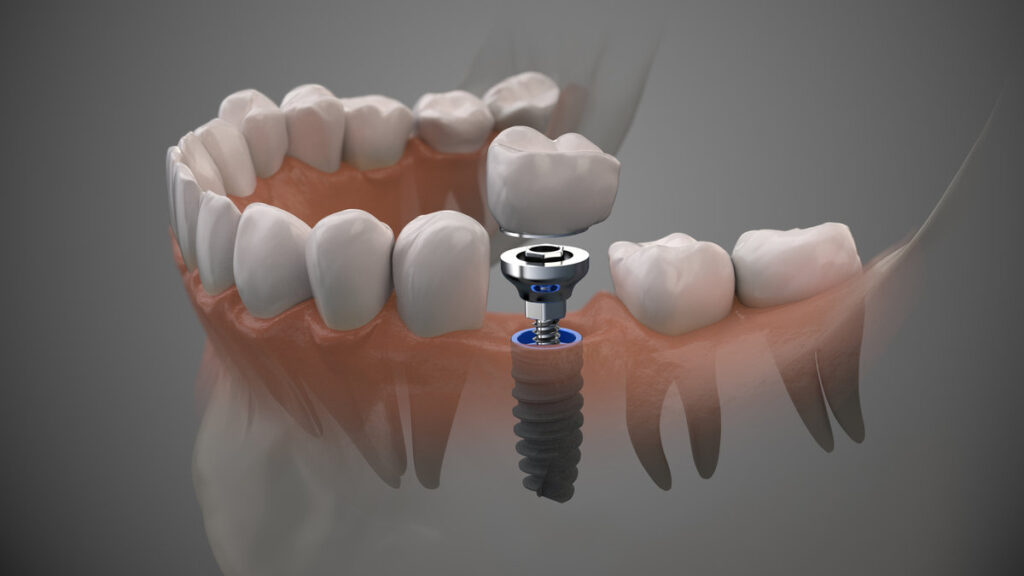
Single-tooth implants replace one missing tooth without affecting adjacent teeth. This approach preserves your natural teeth while filling the gap left by tooth loss. The implant consists of a titanium post surgically placed into your jawbone, an abutment connecting the post to the restoration, and a custom crown matching your natural teeth.
The process typically takes several months from start to finish. After placing the implant, healing occurs for three to six months while the implant integrates with your bone. Once integration is complete, we attach the abutment and crown, giving you a replacement tooth that functions like your natural one. Single-tooth implants work well for patients who have lost one tooth due to injury, decay, or failed root canal treatment and want to avoid affecting neighboring teeth with a bridge.
Understanding Implant-Supported Bridges
Implant-supported bridges replace multiple adjacent missing teeth using two or more implants. Instead of relying on natural teeth for support like traditional bridges, this approach uses implants to anchor the prosthetic teeth. This preserves your remaining natural teeth and provides superior stability.
Two implants typically support a bridge replacing three to four teeth. The implants are placed at either end of the gap, with the replacement teeth suspended between them. This configuration distributes chewing forces evenly and prevents the bone loss that occurs under traditional bridges. Implant-supported bridges work particularly well for patients missing several consecutive teeth who want a fixed restoration rather than a removable partial denture.
What to Know About All-on-4 Dental Implants
All-on-4 implants replace an entire arch of teeth using just four strategically placed implants. Two implants go vertically in the front of the jaw, where bone is typically denser, while two back implants are angled to maximize bone contact and avoid anatomical structures like sinuses.
The angled placement allows patients with moderate bone loss to receive implants without bone grafting in many cases. You receive temporary teeth the same day as implant surgery, leaving the office with functional teeth rather than going without during healing. After three to six months, the temporary prosthesis is replaced with your permanent teeth. All-on-4 works well for patients missing most or all teeth in one arch, those unhappy with dentures, or individuals with failing teeth needing extraction.
Implant-Supported Dentures
Implant-supported dentures provide more stability than traditional dentures while using fewer implants than All-on-4. Typically, two to four implants per arch support a removable denture that snaps onto the implants. You can remove the denture for cleaning, but it stays securely in place during eating and speaking.
This option costs less than All-on-4 because it uses fewer implants and a simpler prosthetic design. The implants prevent the denture from slipping or requiring adhesives, and they stimulate the jawbone to prevent the facial changes associated with bone loss. Implant-supported dentures appeal to patients who want better stability than traditional dentures but prefer a removable option or have budget constraints.
Learn More About Mini Dental Implants
Mini dental implants are smaller in diameter than standard implants. They’re primarily used to stabilize lower dentures or in areas with limited space. The smaller size means less invasive placement and faster healing compared to standard implants.
However, mini implants have limitations. They cannot withstand the same chewing forces as standard implants, making them unsuitable for permanent crowns or bridges in most cases. We typically reserve mini implants for specific situations where their smaller size provides an advantage, such as stabilizing a lower denture in patients with significant bone loss who cannot undergo bone grafting.
Immediate Load Implants
Immediate load implants receive a temporary crown or bridge on the same day as implant placement. This approach works when sufficient bone density exists to support immediate loading without compromising integration. Not all patients qualify for immediate loading, as bone quality and implant stability at the time of placement determine feasibility.
The main advantage is leaving the dental office with functional teeth rather than waiting months with a gap or a temporary removable appliance. Dr. Fiffe evaluates your bone quality during planning to determine if immediate loading is appropriate for your case. Immediate load implants work best for front teeth, where cosmetic concerns are paramount and chewing forces are lower than on back teeth.
Choosing the Right Dental Implant Type For Your Smile
Several factors influence which implant type works best for your situation:
- Number of missing teeth: Single missing teeth receive single implants, while multiple missing teeth may benefit from implant-supported bridges or full-arch solutions.
- Bone density and volume: Adequate bone supports standard implants, while bone deficiency may require grafting or alternative approaches like All-on-4 with angled implants.
- Budget considerations: Single implants cost less than full-arch restoration, but when many teeth are missing, All-on-4 may actually cost less than placing individual implants for each tooth.
- Lifestyle and preferences: Some patients prefer completely fixed teeth they never remove, while others appreciate being able to remove their prosthesis for cleaning.
We use CT imaging to assess your bone accurately before recommending a specific approach. We discuss costs transparently during consultation so you can make informed decisions, and we consider your priorities when recommending treatment options.
The Implant Consultation Process
Determining which implant type suits your needs begins with a thorough evaluation. We examine your mouth, take impressions, and capture detailed CT scans showing your bone structure. These images reveal bone density, volume, and the location of nerves and sinuses.
Dr. Fiffe reviews your medical history to identify any factors affecting implant success. Conditions like uncontrolled diabetes or active periodontal disease require management before implant placement. We also discuss medications that might impact healing.
During consultation, we explain which implant options work for your specific situation and why. You’ll see examples of different restoration types and understand the timeline for each approach. We answer all your questions about the procedure, recovery, and long-term maintenance before you make any decisions.
Getting Started with Dental Implants at Boynton Beach Dental Services
Choosing the right type of dental implant depends on your unique situation, and Dr. Eliseo Fiffe‘s three decades of implant experience ensure you receive treatment tailored to your needs. Dr. Katiuska McIntosh works collaboratively on comprehensive cases, and together they provide thorough evaluation and treatment planning. Whether you need a single tooth replaced or a full-arch restoration, we use advanced imaging and careful planning to determine the best approach for your situation.
Contact us today to schedule your implant consultation. We’ll evaluate your bone structure, discuss your options, and create a treatment plan that restores your smile and confidence. Dentista que Habla Español.